History of Davao de Oro
From ancient indigenous civilizations through Spanish colonization, a legendary gold rush, and a devastating super typhoon—discover the story of the province called Davao of Gold.
Ancient Roots
Long before any foreign power set foot on Mindanao, the lands now known as Davao de Oro were home to indigenous peoples who had thrived for thousands of years. The Mandaya, Mansaka, Mangguangan, and Dibabawon communities built sophisticated societies along the rivers and highlands of eastern Mindanao.
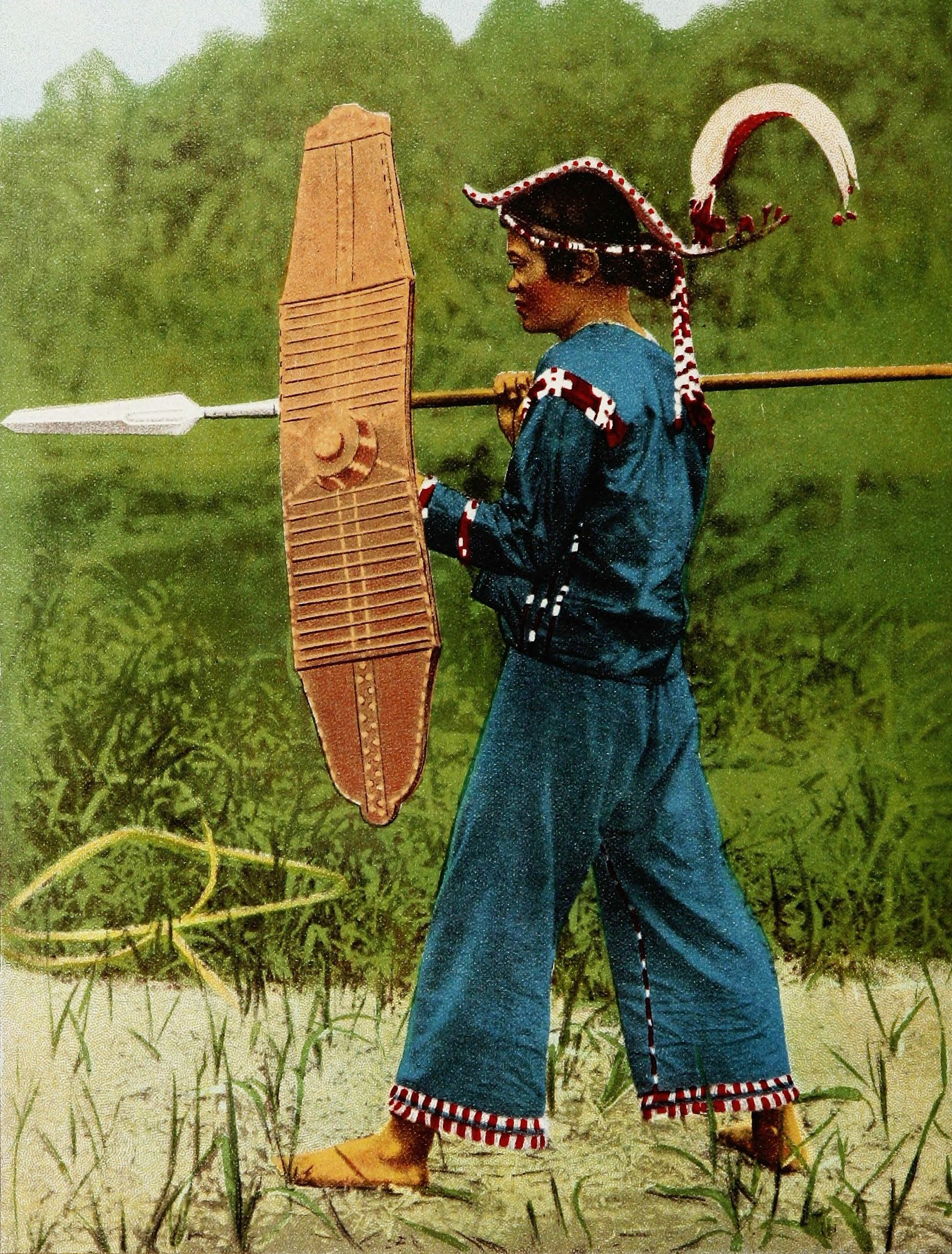
The First Peoples of the Land
The Mandaya ("people of the uplands") and Mansaka ("people of the clearings") are among the oldest inhabitants of eastern Mindanao. They organized themselves into barangays led by datus, practiced swidden farming, and developed rich oral traditions, ritual systems, and textile arts.
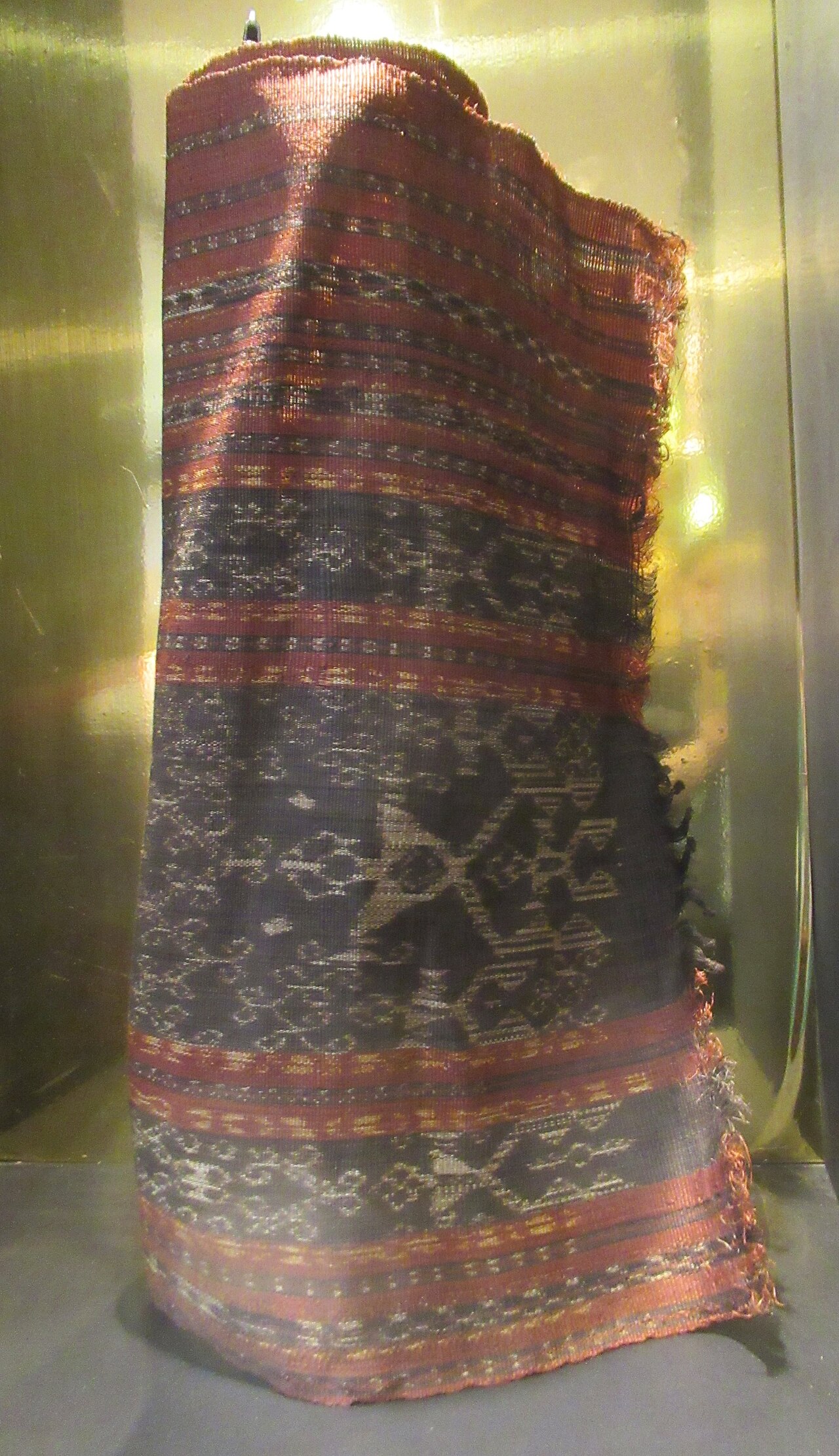
Dagmay: Weaving the Spirit World
The Mandaya developed dagmay, a hand-woven abaca textile dyed with natural pigments. Each pattern carries spiritual meaning—some designs can only be woven by specific individuals. The craft was believed to channel the protection of ancestral spirits and nature deities.
Pre-Colonial Trade Networks
Centuries before the Spanish arrived, the coastal communities of Mindanao were already connected to maritime trade routes stretching to China, Borneo, the Malay Peninsula, and the Spice Islands. Gold, beeswax, abaca, and forest products were exchanged for porcelain, iron tools, and textiles.
The Colonial Period
Spanish colonization fundamentally altered Mindanao, though the interior highlands of what is now Davao de Oro remained largely beyond colonial control. The Mandaya and Mansaka resisted Christianization and maintained their traditional ways far longer than lowland populations.
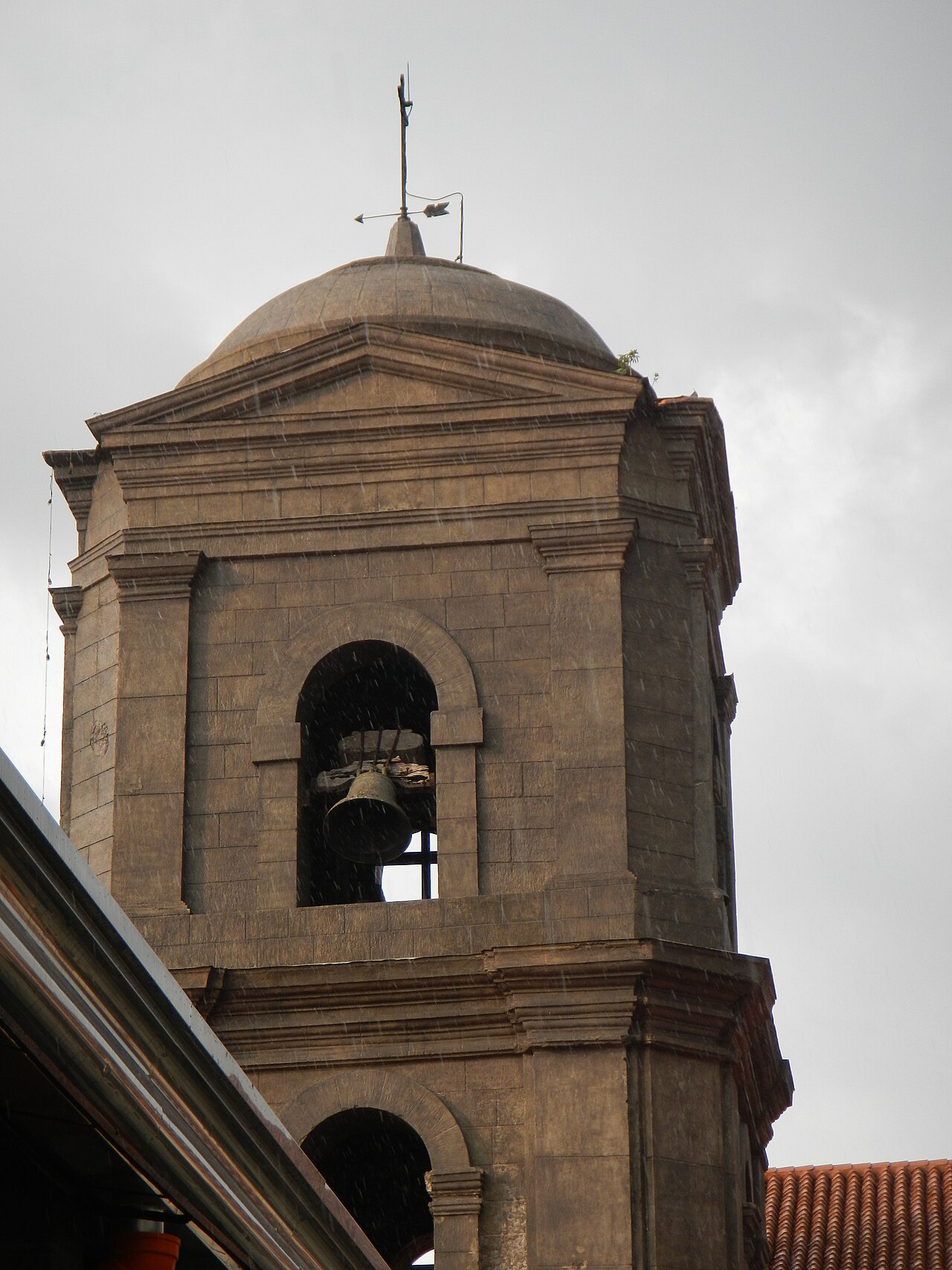
Spain Reaches Mindanao
Magellan's expedition reached the Philippines in 1521, but Spain did not establish a permanent foothold in Davao until much later. For centuries, the eastern Mindanao interior—including present-day Davao de Oro—remained outside effective Spanish control. The Moro sultanates in the south and the fierce independence of highland tribes kept colonial power confined to coastal forts.
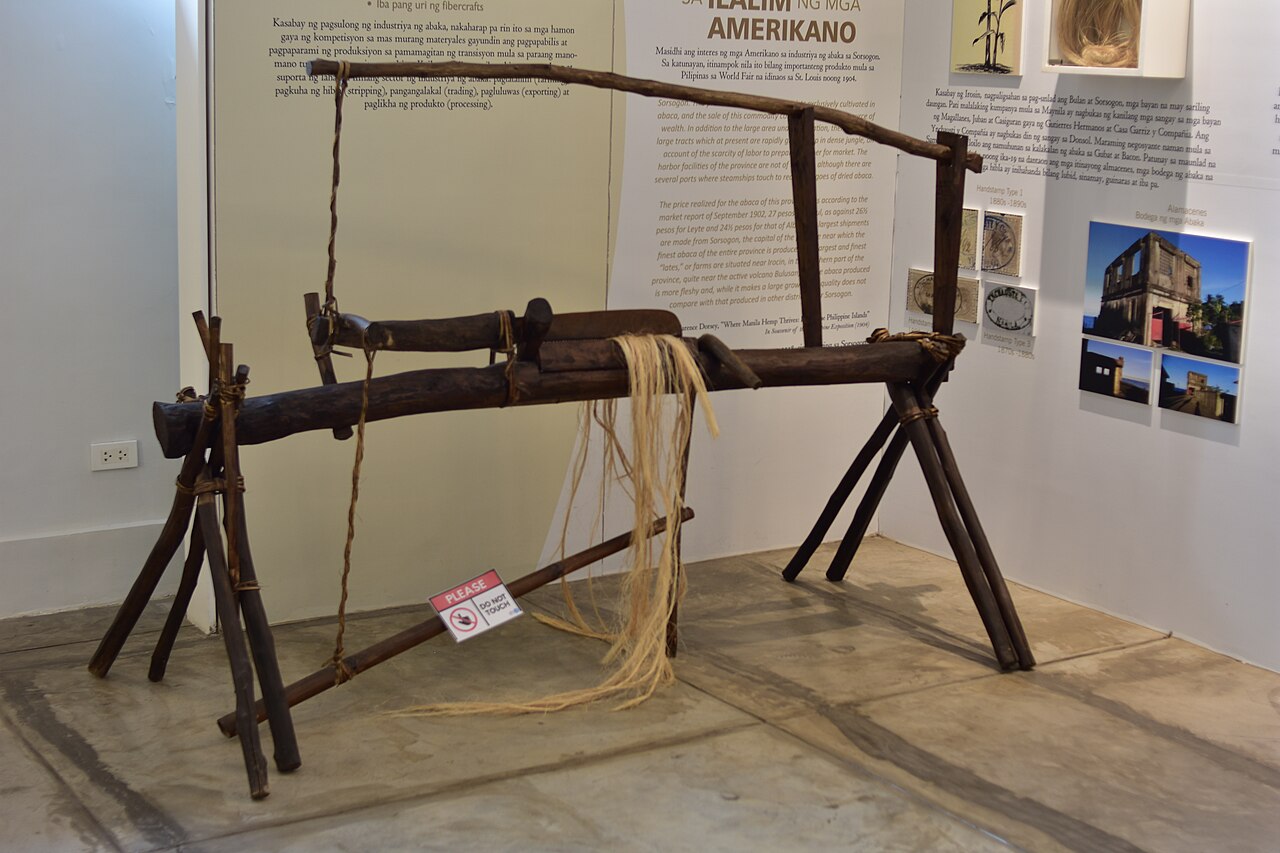
The Abaca Boom
Abaca (Musa textilis), or Manila hemp, became one of the Philippines' most valuable exports. The Davao region—with its ideal volcanic soil and climate—became a major production center. This boom attracted waves of settlers from the Visayas and Luzon, fundamentally changing the demographics of the region.
The American Period
After Spain ceded the Philippines to the United States in 1898, the Americans reorganized Mindanao's administration. Davao was established as a formal province. New roads, schools, and government structures were built, and migration from the Visayas accelerated. The mining potential of the region began to be explored systematically.
War & Independence
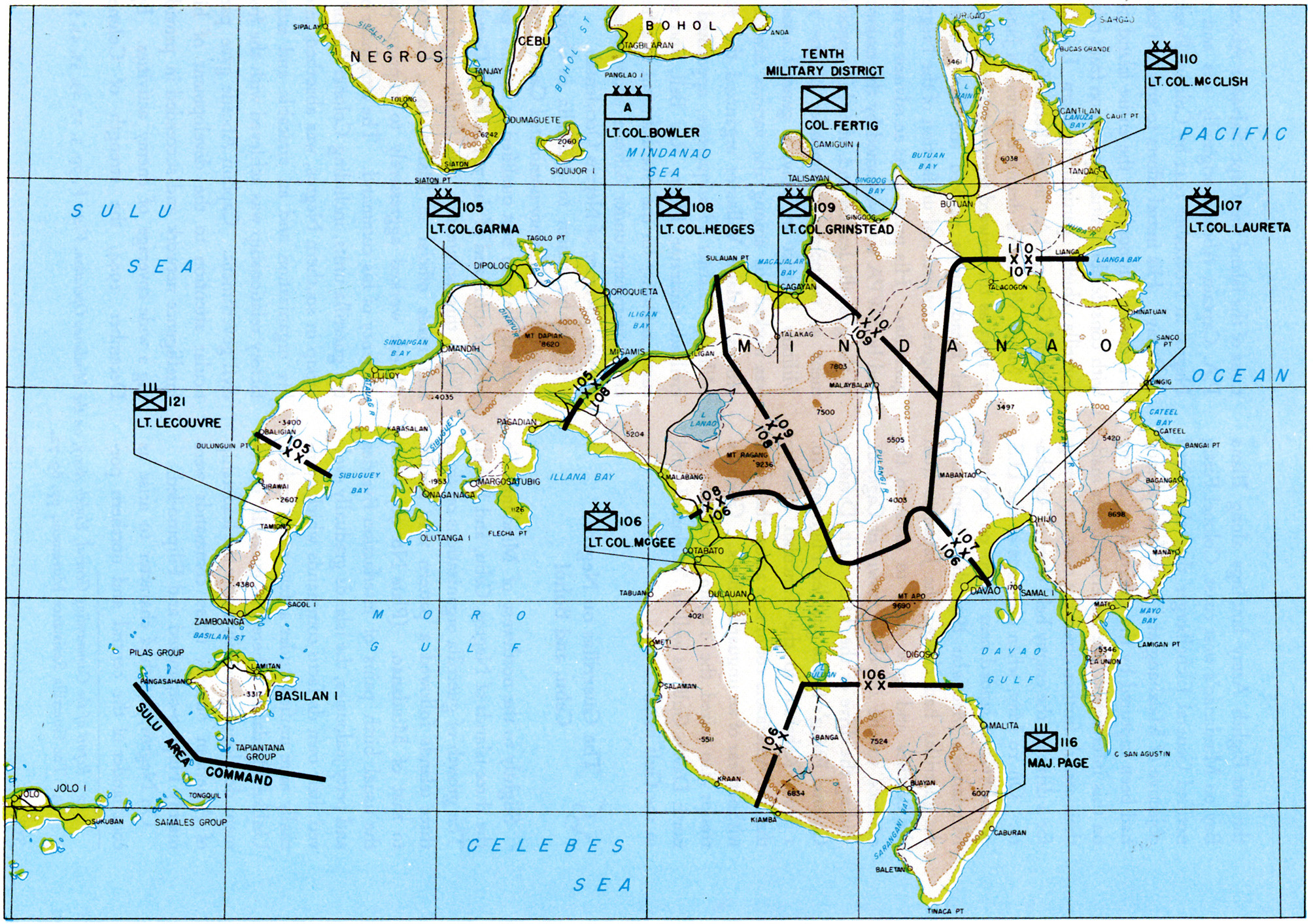
World War II devastated Mindanao. Japanese forces occupied the Davao region, and Filipino guerrilla fighters—including many Mandaya and Mansaka warriors—waged a fierce resistance. After liberation, the Philippines gained full independence, and the rebuilding of Mindanao began.
Japanese Occupation & Guerrilla Resistance
Japan invaded Davao in December 1941, using the region's existing Japanese settler community as a base. The occupation was brutal—forced labor, food confiscation, and atrocities against civilians. But Mindanao's guerrilla movement became one of the most effective in the Pacific, with indigenous fighters playing a crucial role in intelligence and combat.
Philippine Independence
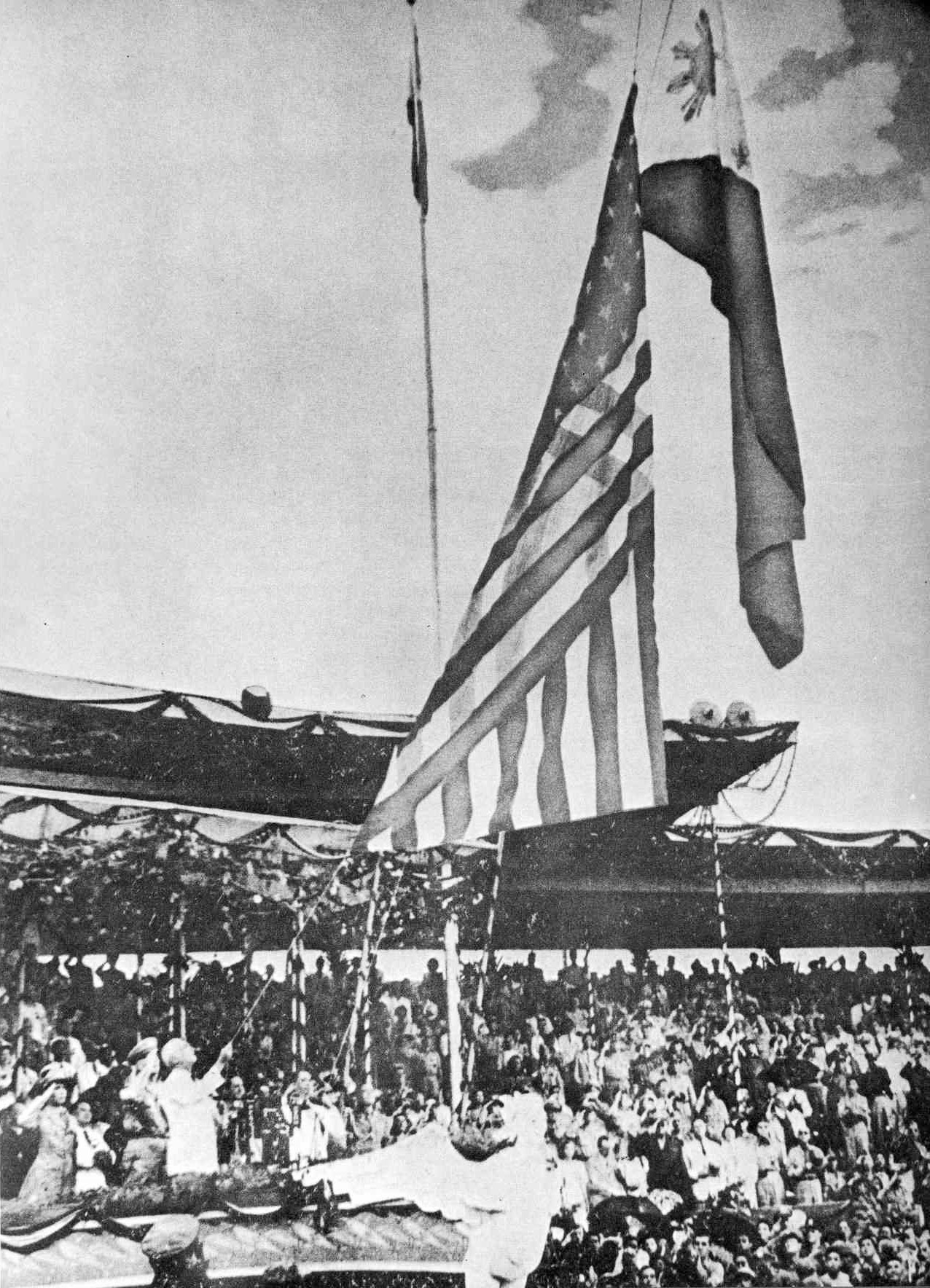
The Philippines gained full independence from the United States. For the people of eastern Mindanao, this meant a new national framework—but the reality on the ground remained one of frontier settlement, limited government services, and continued reliance on traditional community structures.
The Gold Rush Era
Gold has shaped the identity of this province more than any other single factor. From small-scale panning along river banks to the massive operations in Diwalwal, the pursuit of gold brought fortune, tragedy, conflict, and ultimately, a name—Davao de Oro, "Davao of Gold."
Gold in the Rivers
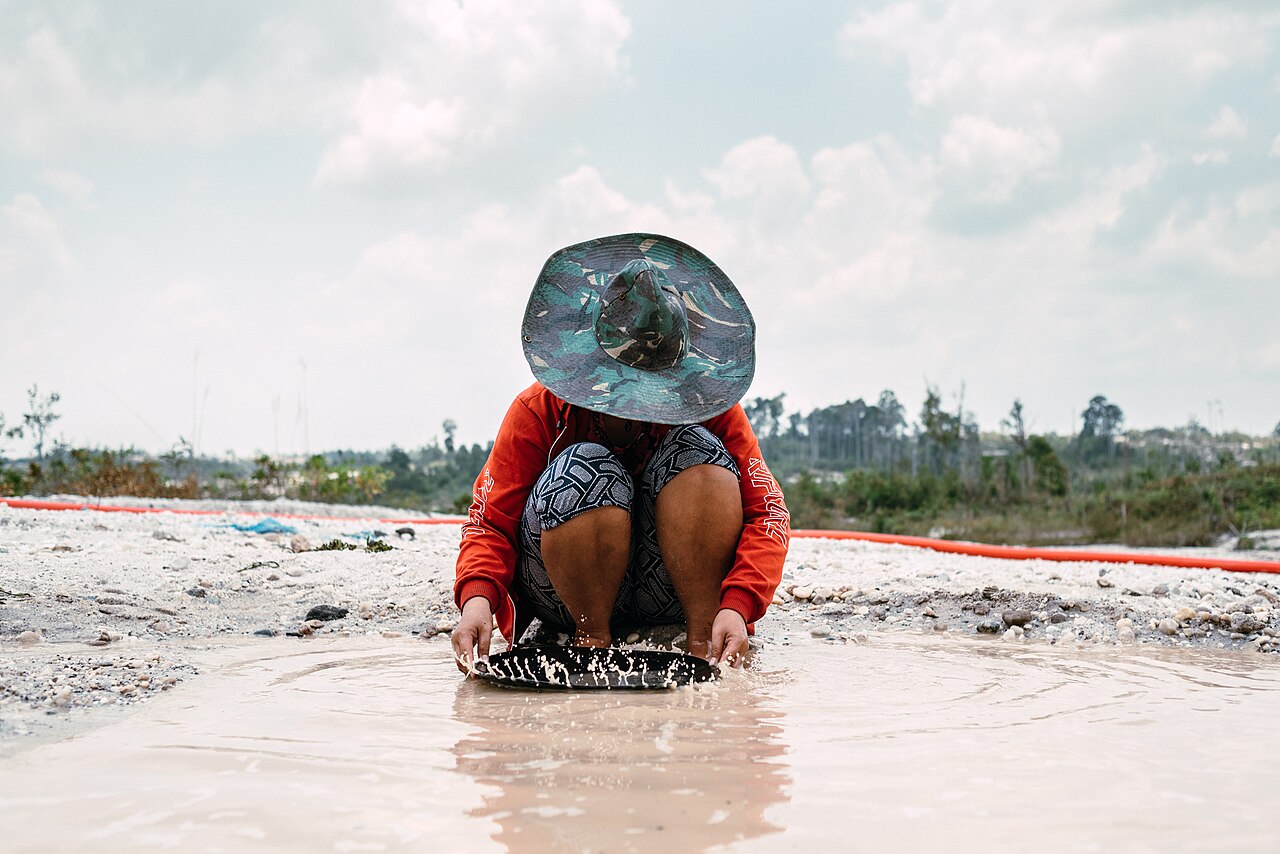
Indigenous communities had known about the gold in their rivers for centuries. Small-scale panning was a traditional activity along the Agusan and Naboc rivers. By the mid-20th century, word had spread, and small mining communities began to form in the municipalities of Monkayo, Compostela, and New Bataan.
The Diwalwal Gold Rush
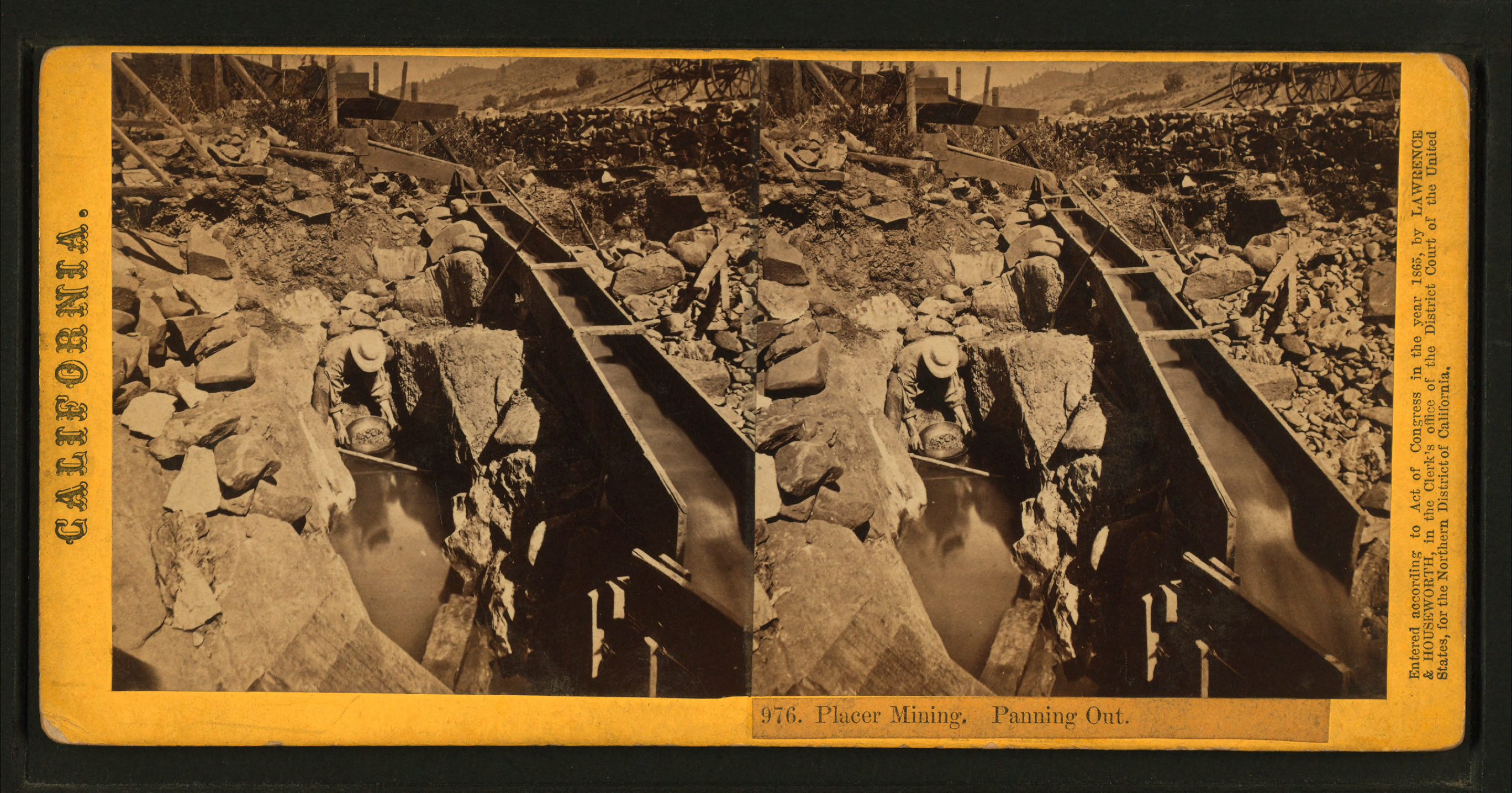
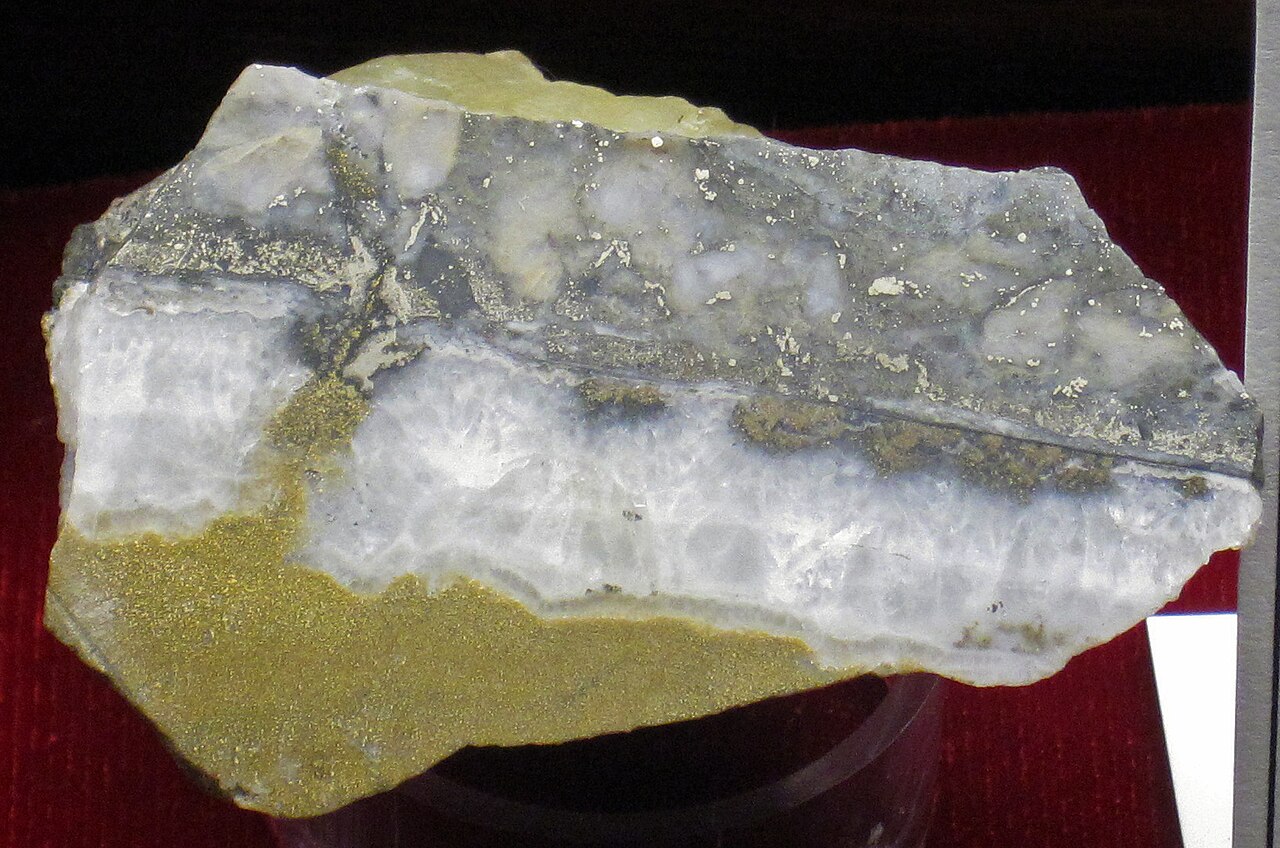
In the 1980s, rich gold deposits were discovered in Diwalwal, a mountainous area between Monkayo and Compostela. What followed was one of the largest and most chaotic gold rushes in Philippine history. At its peak, an estimated 100,000 small-scale miners worked the tunnels and riverbanks of Diwalwal, producing millions of pesos worth of gold daily.
The Legacy of Gold
Gold mining transformed the demographics and economy of the province. Thousands of migrants poured in from across the Philippines, creating a multicultural melting pot. The environmental and social costs were severe—mercury contamination, tunnel collapses, and displacement of indigenous communities. Today, the province has moved toward more regulated mining while seeking economic diversification in agriculture and tourism.
Birth of the Province
The journey from a remote corner of old Davao province to the modern Province of Davao de Oro is a story of division, disaster, resilience, and reinvention. Two pivotal moments defined this transformation: the creation of Compostela Valley as a separate province in 1998, and its renaming to Davao de Oro in 2019.
Compostela Valley Province is Born
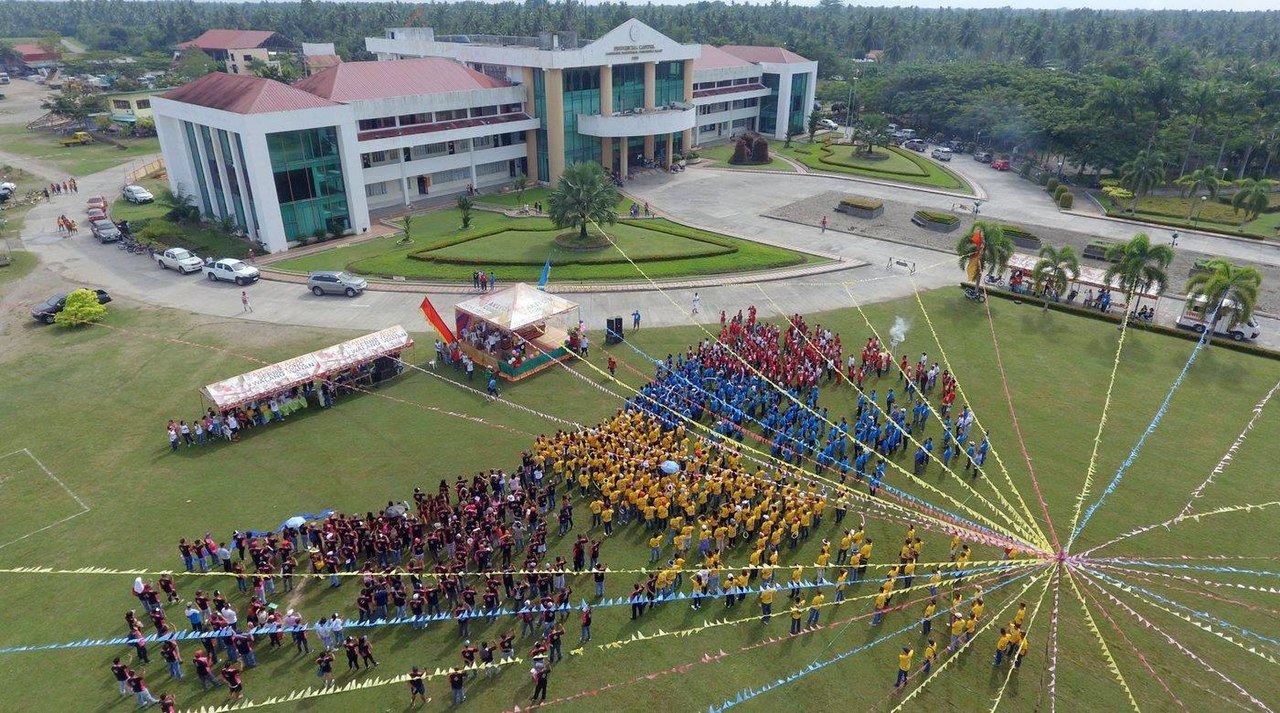
Republic Act 8470 carved Compostela Valley out of the old Davao del Norte province, creating a new province comprising 11 municipalities. Nabunturan was designated as the provincial capital. The new province finally gave the remote communities of the Compostela Valley their own local government, closer to their needs.
Typhoon Pablo (Bopha): A Province Tested
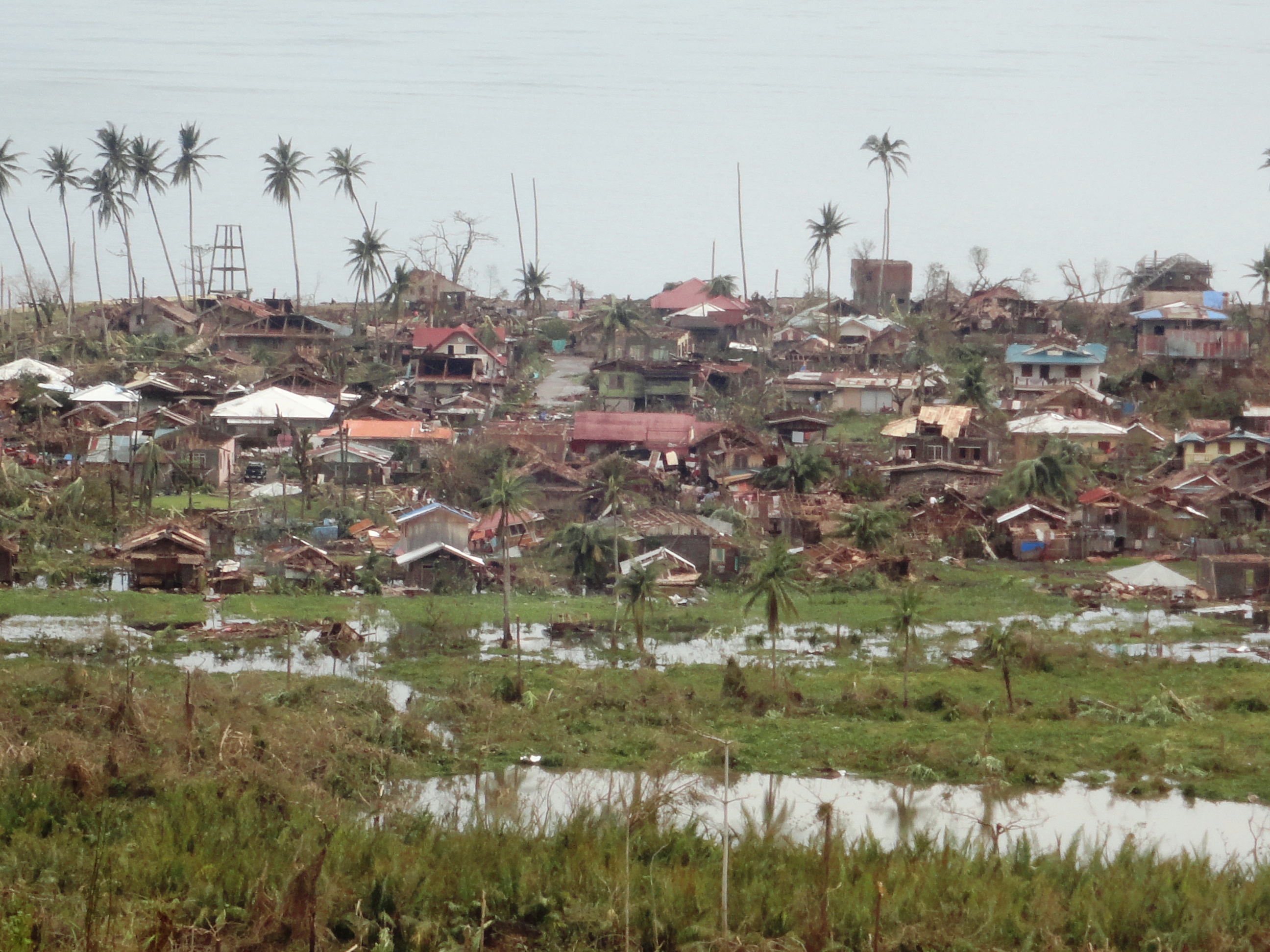
Super Typhoon Pablo (international name: Bopha), one of the strongest typhoons to ever hit Mindanao, made direct landfall on Compostela Valley and Davao Oriental. With sustained winds of 280 km/h, it was catastrophic. The towns of New Bataan, Monkayo, Compostela, and Boston were devastated. Over 1,000 people died in the province alone.
Davao de Oro: A New Identity
In a plebiscite held on February 2, 2019, voters overwhelmingly approved Republic Act 11104, renaming the province from Compostela Valley to Davao de Oro—"Davao of Gold." The new name honored the province's gold mining heritage while signaling a fresh start and a forward-looking identity. The Spanish-inspired name also aligned the province with the other Davao provinces.
Living Indigenous Heritage
The indigenous peoples of Davao de Oro are not relics of the past—they are living communities with vibrant traditions, ongoing struggles, and an irreplaceable role in the cultural fabric of the province. Understanding their heritage is essential to understanding Davao de Oro itself.
The Mandaya
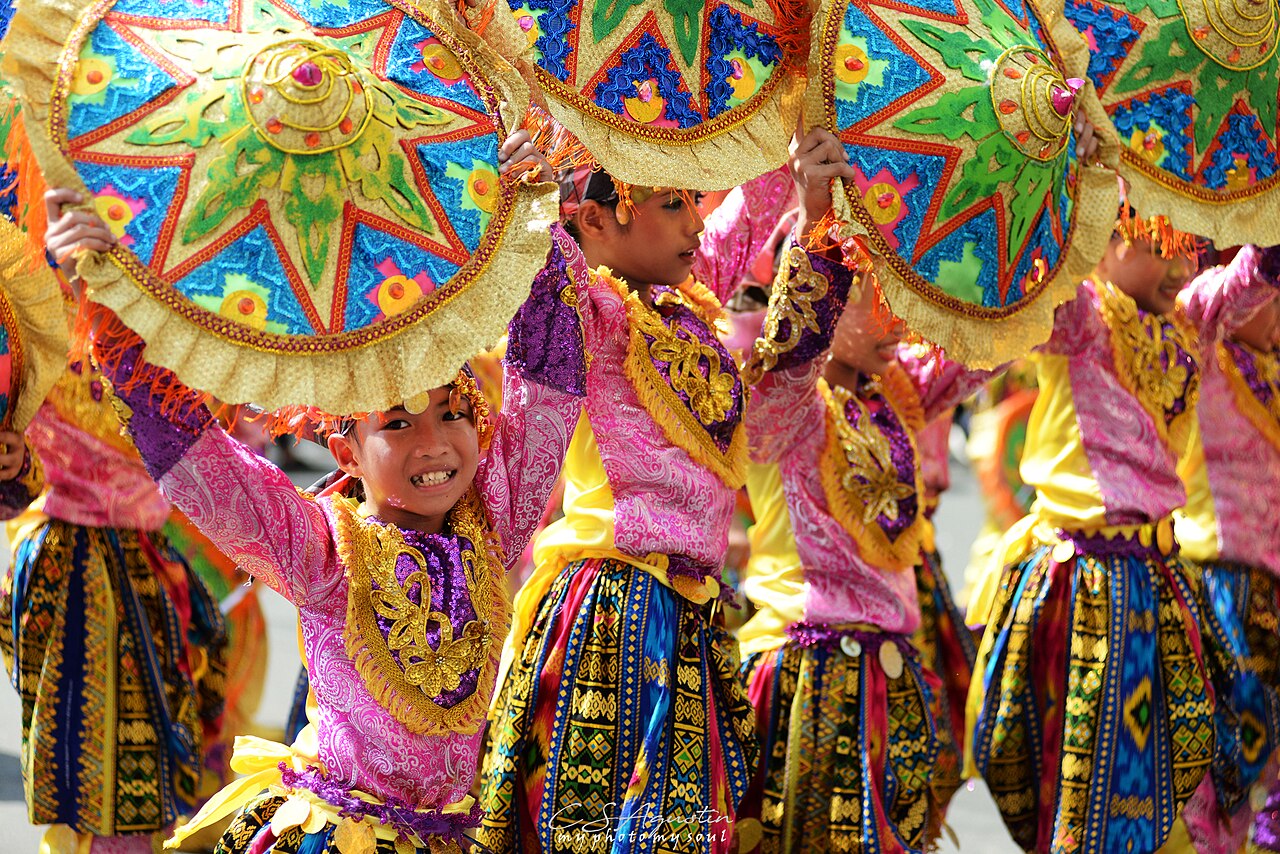
The Mandaya ("people of the uplands") are the largest indigenous group in Davao de Oro. Known for their fierce warrior tradition, elaborate textile arts, and deep spiritual connection to the natural world. Their dagmay weaving is considered one of the finest indigenous textile traditions in the Philippines.
The Mansaka
The Mansaka ("people of the clearings") are closely related to the Mandaya but maintain a distinct cultural identity. They are known for their elaborate ritual dances, especially the Sohoy (a courtship dance), and their tradition of communal farming. The Mansaka heartland is in the municipalities of Maco, Mabini, and Pantukan.
Tribal Festivals & Cultural Revival
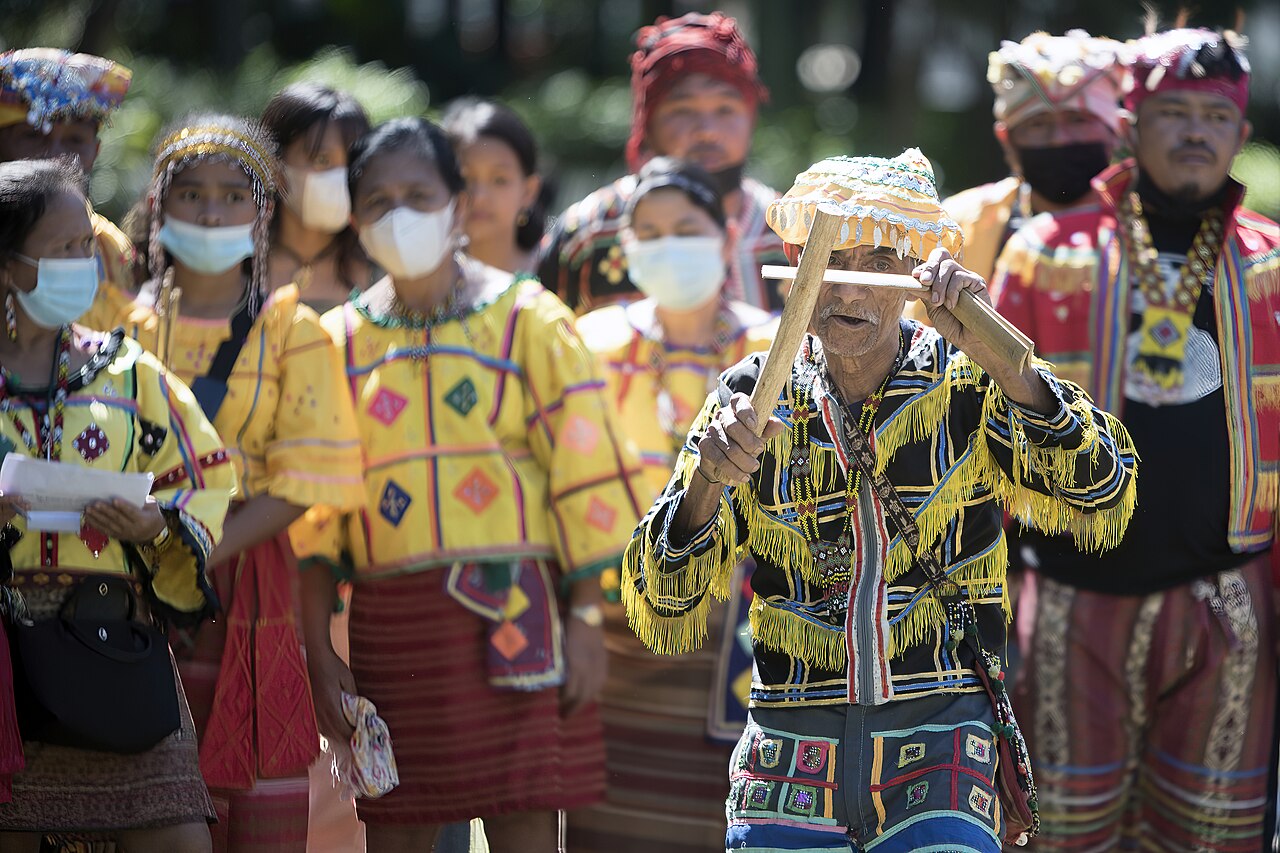
Davao de Oro's municipalities celebrate their indigenous heritage through annual festivals. The Kaldagen Festival (Nabunturan), Panagtagbo Festival (Mawab), and Bulawan Festival (province-wide) all incorporate traditional dances, rituals, and crafts. These festivals represent both cultural preservation and a celebration of the multicultural identity that makes Davao de Oro unique.
A Province Forged by Resilience
Davao de Oro's story is one of indigenous wisdom, colonial survival, golden dreams, and the courage to rebuild after disaster. Visit the province and experience a living history that continues to unfold.
Historical Note: The information on this page has been compiled from publicly available sources, academic research, and community knowledge. While we strive for accuracy, historical accounts—especially from pre-colonial periods—may vary across sources. Dates and details for indigenous oral traditions are approximate. If you have corrections or additional information, please contact us.